Leave Your Message

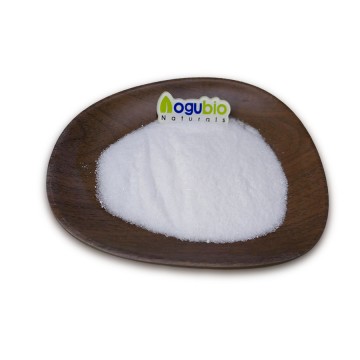
Sodium Lauryl Sulfate For Hyperpigmentation And Dark-Spot Skincare

Advanced Raw Materials for Dark-Spot Control

Discover our core cosmetic ingredients optimized for hyperpigmentation formulations.

The Paradigm Shift in Dermatology: SLS Beyond Cleansing

Redefining Sodium Lauryl Sulfate (SLS)

Historically recognized primarily for its exceptional surfactant and foaming properties in cleansers and shampoos, Sodium Lauryl Sulfate (SLS) is undergoing a profound renaissance in the realm of advanced dermatological science. Today, cosmetic chemists and Google SEO optimization data alike point to a surging interest in utilizing specific, highly-purified grades of SLS as a potent penetration enhancer in targeted treatments for hyperpigmentation and dark-spot skincare.

Hyperpigmentation—characterized by the overproduction of melanin resulting in dark spots, melasma, and post-inflammatory erythema—remains one of the most stubborn skin conditions to treat. The primary challenge in dark-spot skincare is not the lack of effective active ingredients (such as Vitamin C derivatives like Sodium Ascorbyl Phosphate, Niacinamide, or Alpha Arbutin), but rather the delivery mechanism. The stratum corneum acts as a formidable barrier, preventing these macromolecular brightening agents from reaching the melanocytes located in the basal layer of the epidermis.

This is where the strategic application of Sodium Lauryl Sulfate becomes revolutionary. At highly controlled, micro-dosed concentrations, SLS temporarily modifies the lipid bilayer of the stratum corneum. By safely and reversibly disrupting the intercellular lipid matrix, SLS significantly increases epidermal permeability. This biochemical mechanism allows high-efficacy anti-pigmentation agents to bypass surface barriers and penetrate deeply into the skin, maximizing the bioavailability of the formulation and accelerating the fading of dark spots.

Commercial Landscape & Industrial Evolution

The global market for hyperpigmentation treatments is expanding exponentially, driven by an aging population and increasing awareness of photo-aging. In this competitive landscape, cosmetic raw material manufacturers are heavily investing in R&D to optimize delivery systems. The industrial status of Sodium Lauryl Sulfate has pivoted from a bulk commodity chemical to a highly refined, specialized excipient in clinical-grade skincare.

Balancing Efficacy with Tolerability

In the past, the cosmetic industry faced challenges regarding the potential irritancy profile of SLS. However, modern industrial practices have evolved. Today's advanced manufacturing processes yield ultra-pure SLS free from irritating impurities. Furthermore, formulators are now utilizing AI-driven predictive modeling to determine the exact threshold where SLS provides maximum penetration enhancement with zero compromised barrier function. This delicate balance is achieved by pairing SLS with soothing, skin-identical ingredients.

For instance, modern dark-spot serums often combine micro-dosed SLS with gentle amino acid surfactants like Sodium Cocoyl Glycinate or Sodium Lauroyl Glutamate. These co-surfactants mitigate any potential irritation from SLS while maintaining the enhanced delivery channel for brightening actives. This synergistic approach has become the gold standard in premium, dermatologist-recommended skincare lines aimed at treating melasma and solar lentigines.

Supply Chain and Quality Control

As the demand for hyper-functional skincare grows, the reliance on top-tier cosmetic raw material suppliers becomes critical. Brands require raw materials that are synthesized under strict GMP conditions, ensuring batch-to-batch consistency. The purity of SLS and its co-ingredients directly dictates the safety and efficacy of the final dark-spot treatment. Companies equipped with advanced analytical instruments like HPLC and GC-MS are leading the charge in providing these high-fidelity ingredients to the global cosmetics market.

About Aogebio LLC

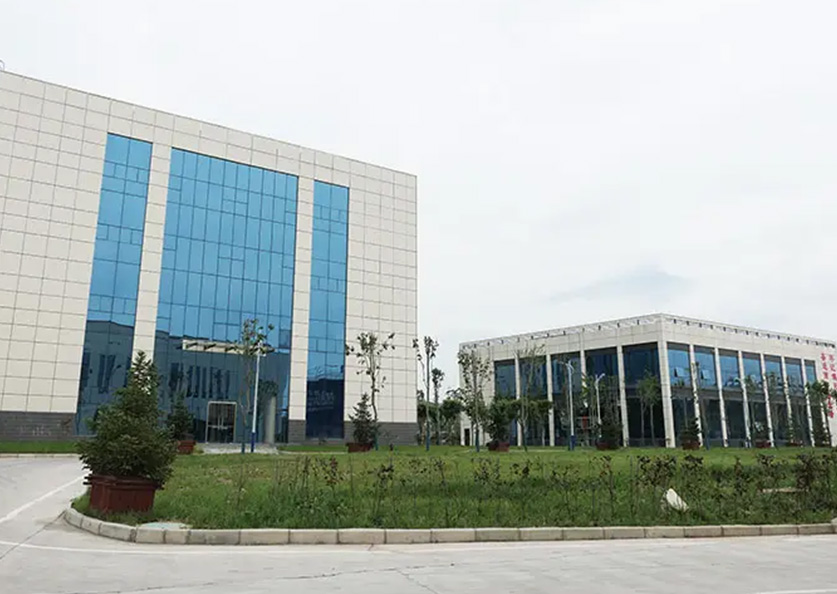
Founded in 2013 and headquartered in the prestigious high-tech zone of Xi'an, Xi'an Aoge Biotech Co., Ltd., along with its subsidiaries Xi'an Imaherb Biotech Co., Ltd. and Xi'an Nahanutri Biotech Co., Ltd., has established itself as a leading force in the cosmetics raw materials industry.

Our expansive cooperative factory, spanning 1,000 mu (approximately 165 acres), is equipped with state-of-the-art extraction technology. This advanced infrastructure allows us to manufacture a wide array of premium cosmetic raw materials. Our product line includes natural plant extracts specifically designed for organic cosmetics, as well as synthetic ingredients for high-end skincare formulations. These raw materials serve as the foundation for a multitude of skincare, haircare, and makeup products, ensuring superior quality and efficacy throughout the entire production process.

View More
21+
Years of Experience
50
Tons/Month Output
66667+
Factory Area (m²)
about Aogebio Cosmetic

AI-Driven Formulation & Future Development Trends

The Integration of Artificial Intelligence in Cosmetic Chemistry

The future of treating hyperpigmentation is intrinsically linked to Artificial Intelligence (AI) and machine learning. AI algorithms are currently being utilized to map the human lipidome and predict exactly how different concentrations of Sodium Lauryl Sulfate will interact with specific skin phenotypes. This technological leap allows for the creation of hyper-personalized dark-spot treatments that adapt to individual skin barrier strengths.

One of the most exciting development trends is the encapsulation of SLS. By utilizing nanoliposomes or solid lipid nanoparticles, cosmetic chemists can encapsulate SLS alongside powerful tyrosinase inhibitors (the enzymes responsible for melanin production). This smart-delivery system ensures that the SLS only activates its penetration-enhancing properties upon reaching the deeper layers of the epidermis, virtually eliminating surface-level irritation while delivering a concentrated dose of dark-spot fighting ingredients exactly where they are needed most.

Deep Dive: Application Scenarios in Skincare

The application scenarios for SLS in hyperpigmentation skincare are vast and evolving:

  • Clinical Peels and Pre-Treatments: In dermatological clinics, low-concentration SLS solutions are used as prep-toners. They gently strip away excess sebum and loosen dead skin cells, preparing the canvas for highly concentrated chemical peels (like TCA or Glycolic acid) targeting severe melasma.
  • Overnight Brightening Serums: For at-home care, SLS acts as the vital vehicle in overnight serums. While the user sleeps, the formulation leverages the skin's natural regeneration cycle, pushing Vitamin C (such as Sodium Ascorbyl Phosphate) deep into the dermal-epidermal junction to halt the transfer of melanosomes.
  • Targeted Spot Correctors: High-potency spot treatments utilize SLS to drive active ingredients directly into localized areas of hyperpigmentation (like sun spots or acne scars), ensuring rapid fading without affecting the surrounding healthy tissue.

As the cosmetic industry continues to innovate, the synergy between traditional chemical agents like SLS and cutting-edge biotechnological ingredients will pave the way for unprecedented efficacy in eradicating dark spots and achieving a luminous, even skin tone.

We Provide an Unmatched Level of Quality and Service

Secure the highest grade cosmetic raw materials for your next groundbreaking formulation.

Get Product Samples

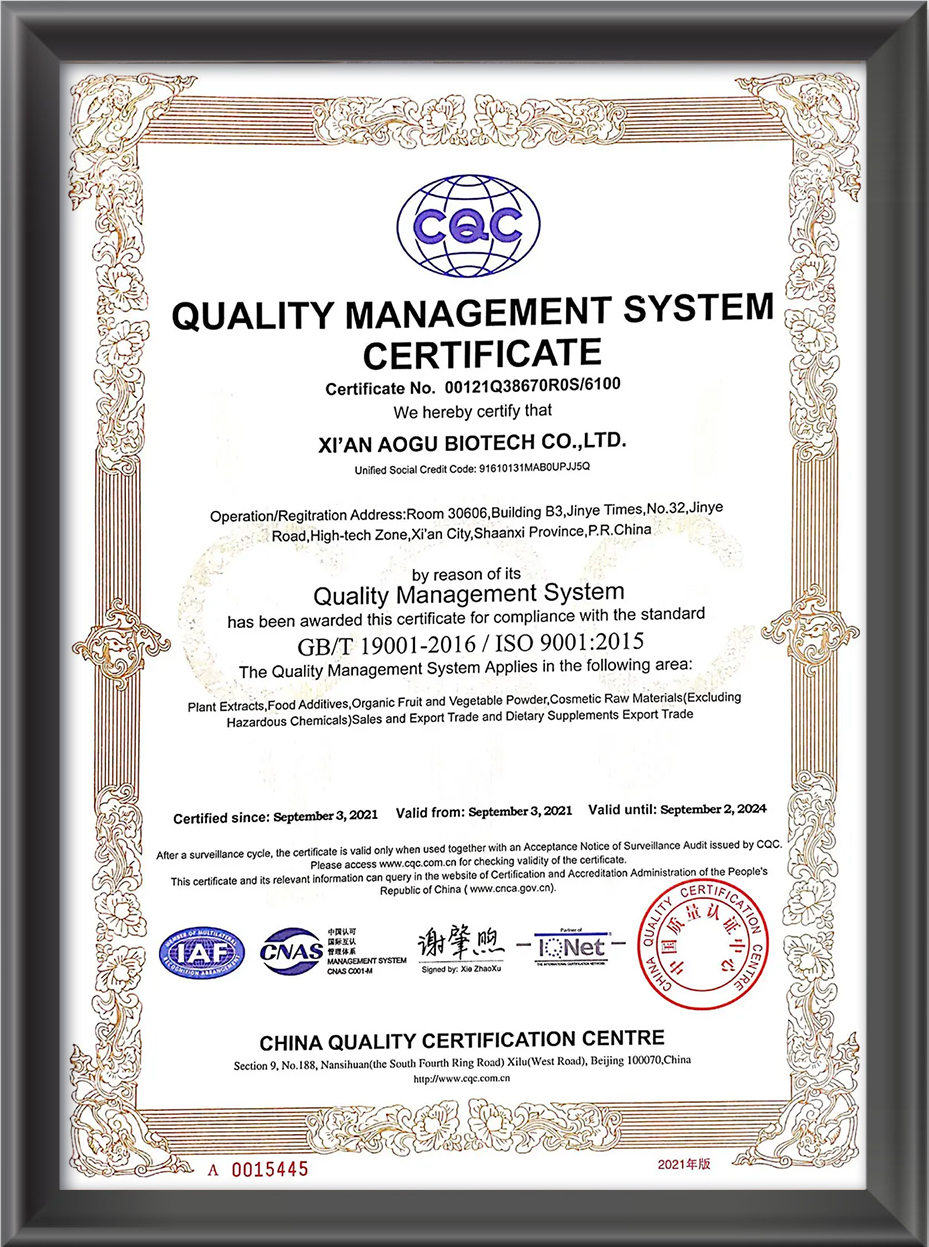
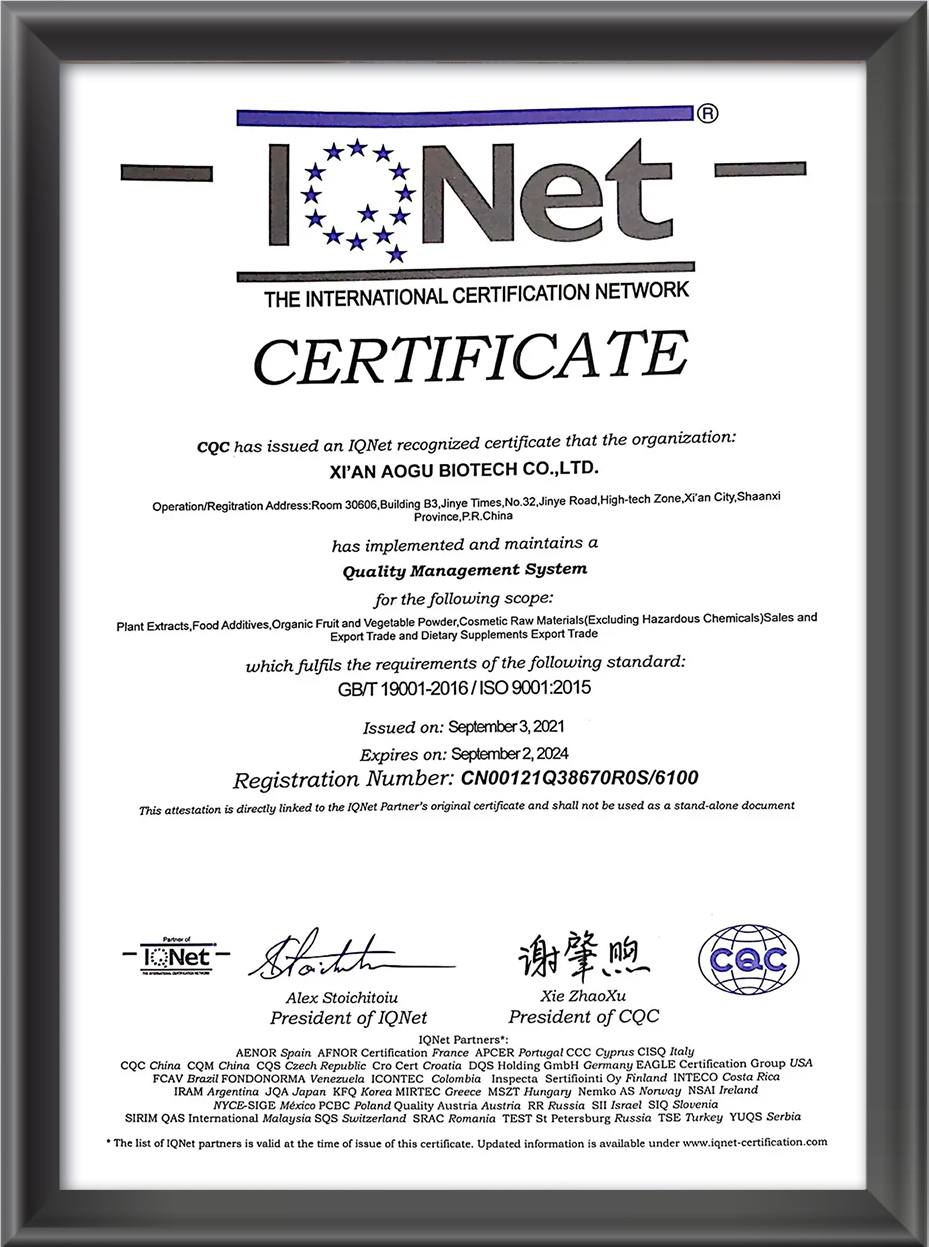
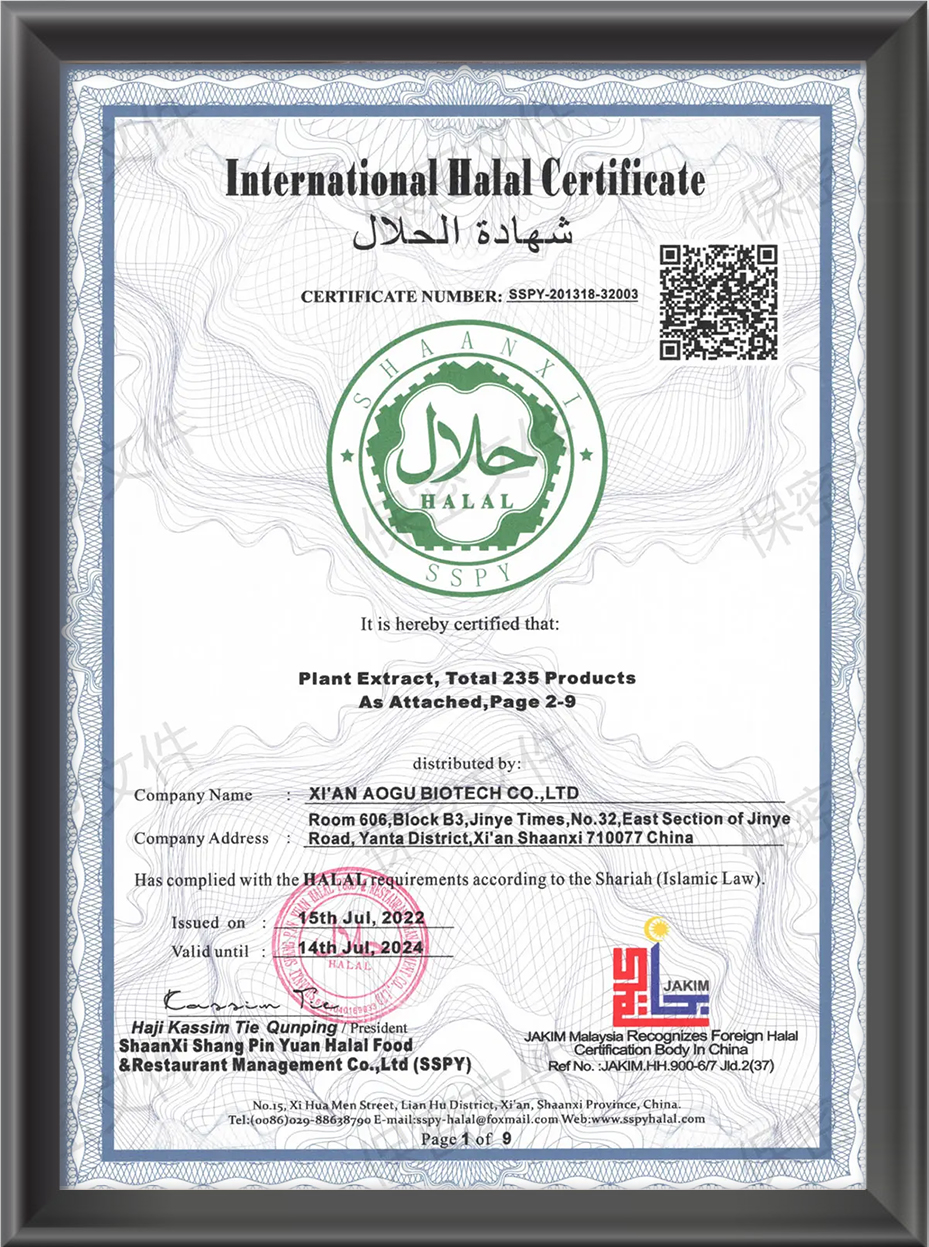
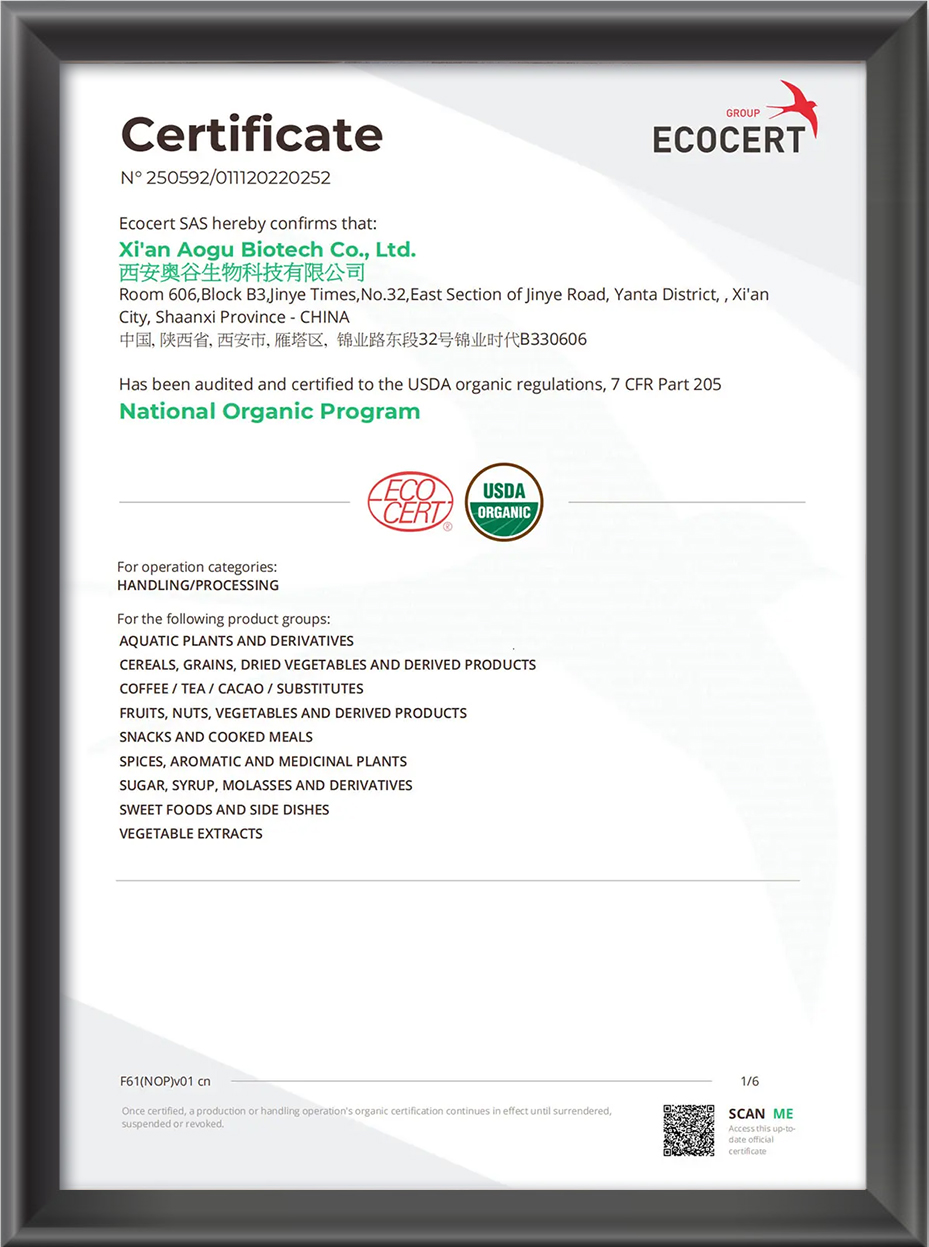
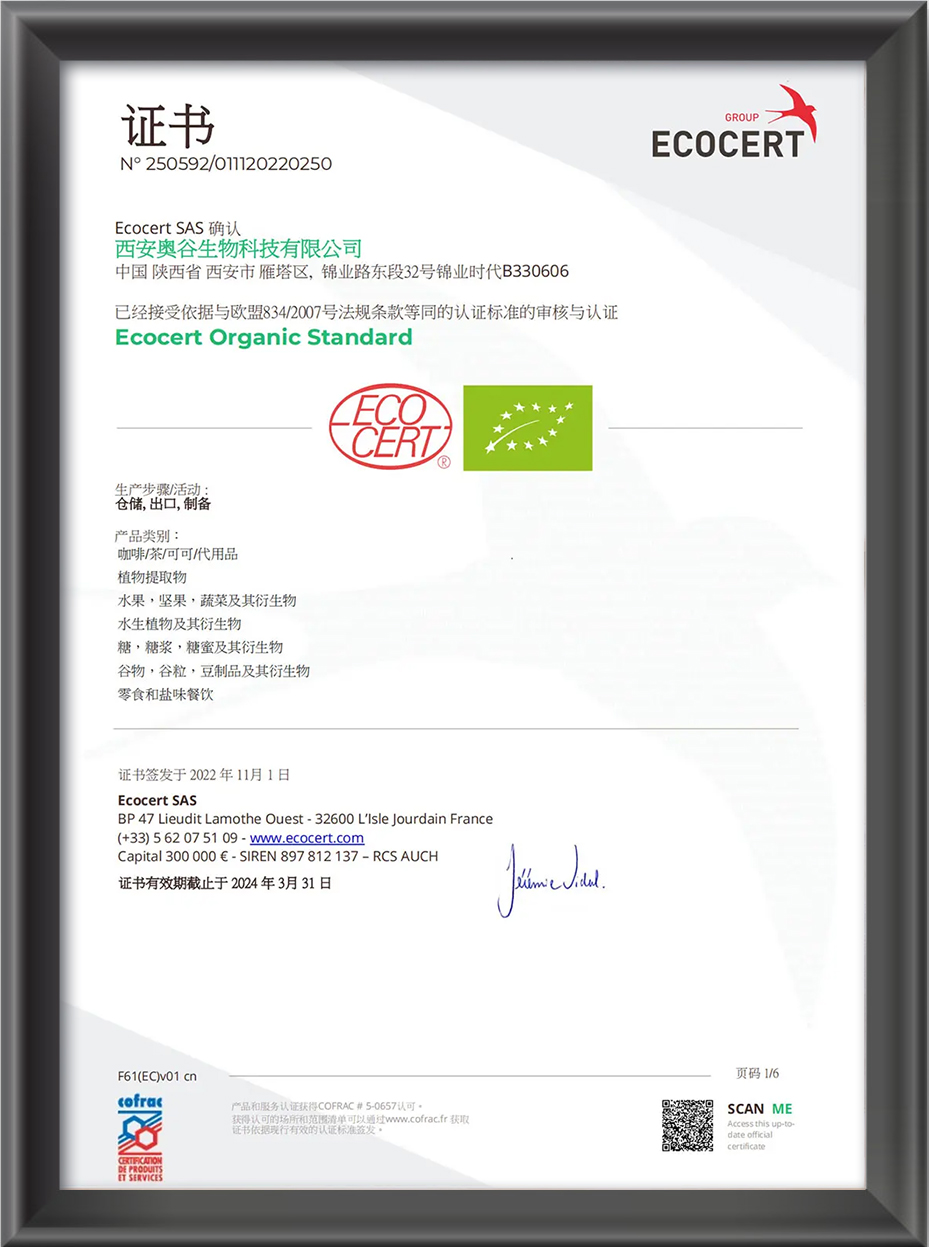
Qualifications & Honors

Our in-house lab uses advanced instruments like UPLC, HPLC, GC-MS, ICP-MS for quality control, ensuring raw materials meet strict international standards.

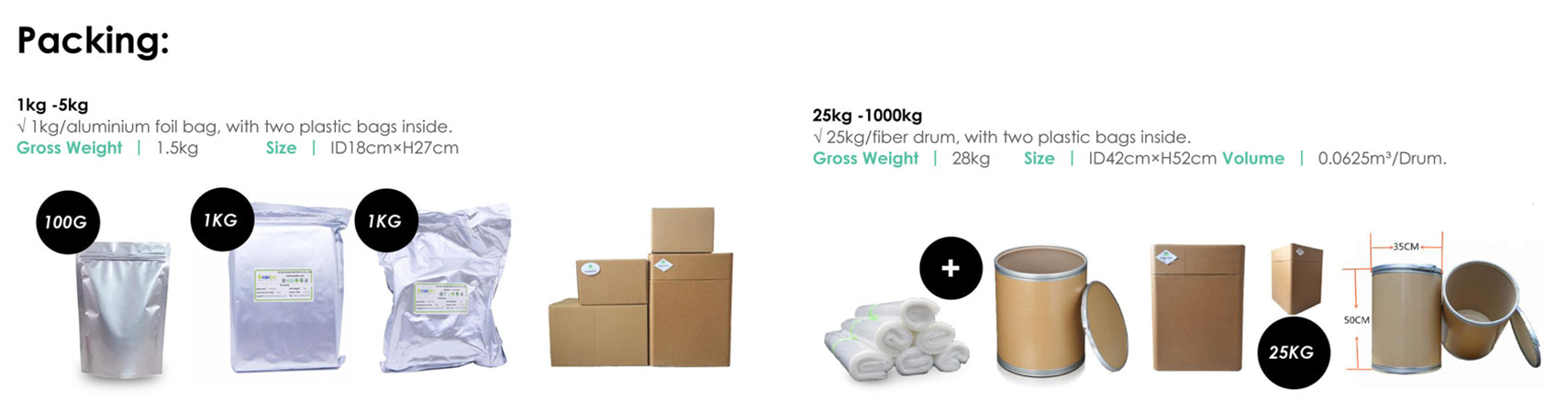
Premium Packaging