Leave Your Message

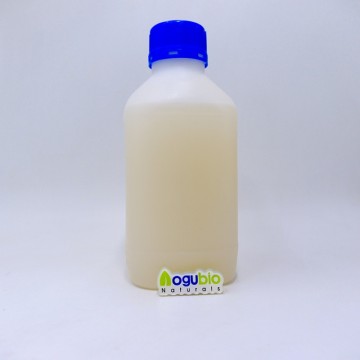
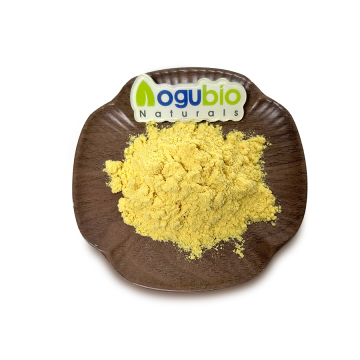
Retinol For Cosmetic Active Ingredient Formulation And Blending

The Commercial and Industrial Landscape of Retinol

Retinol, a derivative of Vitamin A, stands as an undisputed titan in the realm of dermatological science and cosmetic active ingredient formulation. In the contemporary beauty and personal care industry, Retinol for cosmetic active ingredient formulation and blending has transitioned from a niche anti-aging secret to a foundational pillar of global skincare manufacturing. The commercial status of Retinol is characterized by an exponential surge in global demand, driven by an increasingly educated consumer base that prioritizes scientifically proven, efficacy-driven skincare solutions. Market analysts project the global market for retinoid-based cosmetics to grow at an unprecedented Compound Annual Growth Rate (CAGR), reflecting its indispensable role in B2B supply chains and finished goods manufacturing.

From an industrial perspective, the production, extraction, and synthesis of high-purity Retinol require sophisticated biochemical engineering. Cosmetic manufacturers and contract formulation laboratories are constantly seeking reliable suppliers capable of delivering Retinol that meets stringent pharmaceutical-grade purity standards. The supply chain involves complex logistics, as raw Retinol is highly susceptible to degradation from light, heat, and oxygen. Consequently, industrial buyers place immense value on suppliers who not only provide the raw active ingredient but also offer advanced stabilization technologies. The commercial viability of a skincare brand often hinges on the quality of the Retinol sourced, making the B2B procurement process highly rigorous. Formulators demand comprehensive Certificates of Analysis (CoA), precise assay values, and proven stability profiles before integrating Retinol into their proprietary blends.

Furthermore, the democratization of skincare knowledge has led to a diversification of Retinol applications. It is no longer confined strictly to luxury night creams; it is now aggressively blended into serums, eye creams, body lotions, and even targeted treatments for acne-prone skin. This widespread application has necessitated the development of various Retinol grades and derivatives—such as Retinyl Palmitate, Retinaldehyde, and Hydroxypinacolone Retinoate (HPR)—each serving specific formulation needs, price points, and target demographics. The industrial blending of these derivatives requires profound chemical expertise to ensure that the final product delivers the promised biological activity without compromising the skin's barrier function.

Advanced Formulation Techniques & Encapsulation

Despite its unparalleled efficacy in accelerating cellular turnover, stimulating collagen synthesis, and mitigating hyperpigmentation, the formulation of raw Retinol presents formidable biochemical challenges. The inherent molecular instability of Retinol is the primary hurdle in cosmetic active ingredient blending. When exposed to ultraviolet (UV) radiation, atmospheric oxygen, or elevated temperatures, Retinol rapidly undergoes isomerization and oxidation, rendering it biologically inactive and potentially yielding irritating byproducts. For cosmetic chemists, ensuring the structural integrity of Retinol from the manufacturing vat to the consumer's skin is a paramount concern.

To circumvent these degradation pathways, the industry has aggressively adopted and refined encapsulation technologies. Microencapsulation and nano-liposomal delivery systems represent the zenith of modern cosmetic engineering. By enveloping the fragile Retinol molecule within a protective lipid bilayer or a polymer matrix (such as carnauba wax, cyclodextrins, or phospholipids), formulators achieve a dual objective: extreme stabilization and controlled, sustained release. Liposomal Retinol mimics the structural composition of the skin's stratum corneum, facilitating deeper penetration and enhanced bioavailability. Once the liposome breaches the epidermal barrier, natural enzymatic activity slowly degrades the lipid shell, releasing the Retinol gradually. This "time-release" mechanism drastically reduces the notorious "retinoid dermatitis"—the erythema, desquamation, and pruritus typically associated with rapid Retinol absorption.

In the blending phase, encapsulation also prevents Retinol from reacting prematurely with other active ingredients in the cosmetic chassis. For instance, formulating Retinol alongside acidic components like Alpha Hydroxy Acids (AHAs) or Vitamin C (Ascorbic Acid) traditionally posed severe pH incompatibility issues. Encapsulated Retinol solutions isolate the active molecule, allowing cosmetic engineers to create multi-active, high-performance formulations that were previously deemed chemically impossible. The shift towards Encapsulated Release Retinol Solutions is not merely a trend; it is the new industrial standard for high-end, efficacious, and consumer-friendly anti-aging products.

Synergistic Blending: Maximizing Efficacy

Retinol & Ceramides

Blending Retinol with bio-identical ceramides is a masterclass in barrier repair. While Retinol accelerates cellular turnover, ceramides replenish the intercellular lipid matrix, mitigating transepidermal water loss (TEWL) and preventing formulation-induced irritation.

Retinol & Niacinamide

This synergistic powerhouse addresses multiple signs of aging simultaneously. Niacinamide (Vitamin B3) soothes inflammation and strengthens the skin barrier, creating a highly tolerable environment for Retinol to stimulate fibroblast activity and reduce hyperpigmentation.

Retinol & Squalane

Plant-derived squalane acts as the perfect biomimetic carrier oil for Retinol blending. Its high oxidative stability protects the Retinol molecule, while its emollient properties ensure a luxurious sensory profile and deep epidermal penetration without comedogenicity.

The modern paradigm of Retinol active ingredient formulation relies heavily on the art and science of synergistic blending. A standalone Retinol product is increasingly viewed as archaic by advanced cosmetic chemists. Today's sophisticated formulations are meticulously engineered ecosystems where Retinol is supported by a network of complementary active compounds. This approach not only amplifies the primary anti-aging benefits—such as the attenuation of fine lines, wrinkles, and photo-damage—but also neutralizes the inherent side effects of retinization. By carefully modulating the rheology, lipid profile, and pH of the emulsion, formulators can create products that offer clinical-grade efficacy while maintaining the elegance and safety required for daily consumer use.

About Aogebio LLC

Founded in 2013 and headquartered in the prestigious high-tech zone of Xi'an, Xi'an Aoge Biotech Co., Ltd., along with its subsidiaries Xi'an Imaherb Biotech Co., Ltd. and Xi'an Nahanutri Biotech Co., Ltd., has established itself as a leading force in the cosmetics raw materials industry.

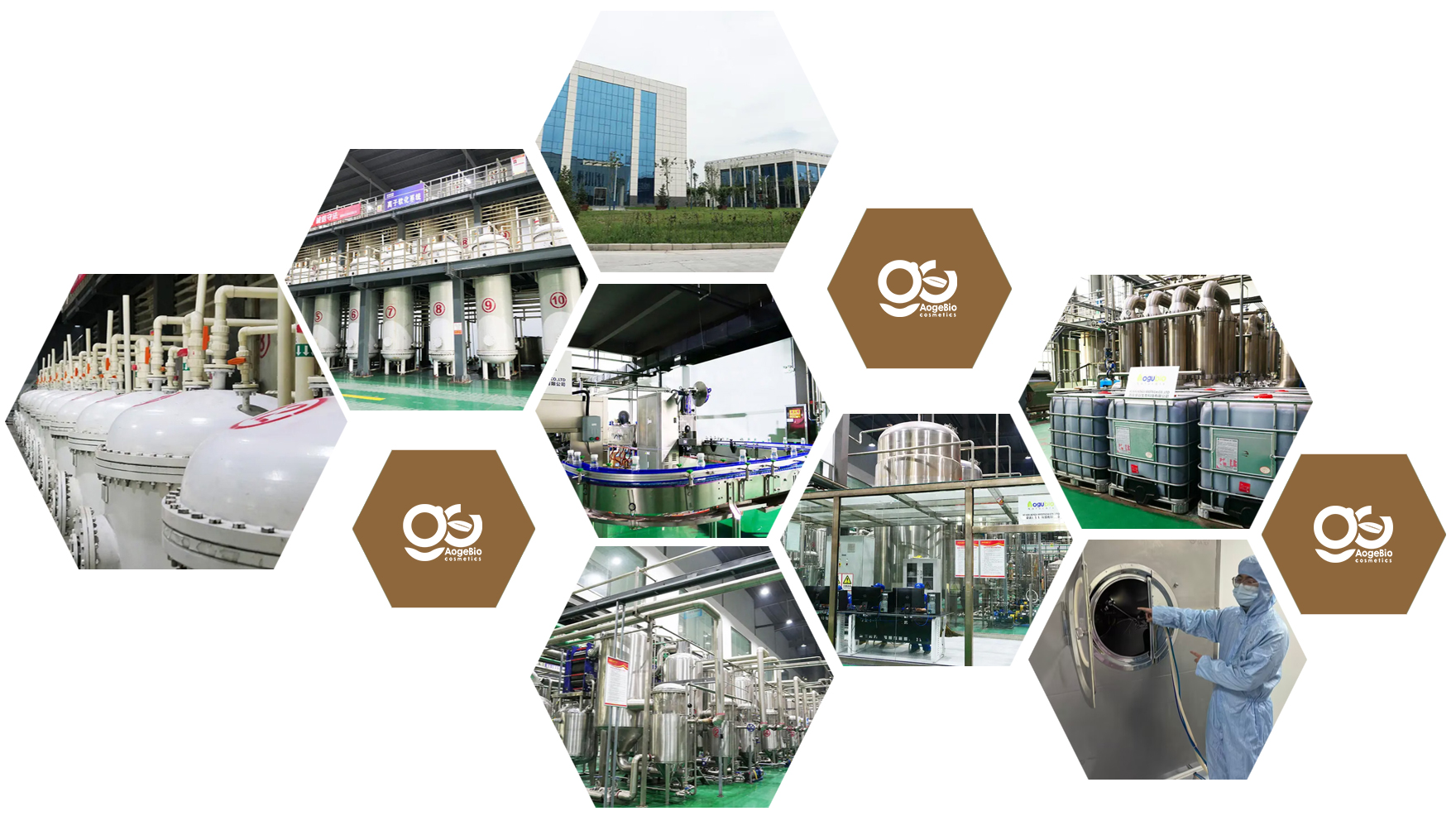
Our expansive cooperative factory, spanning 1,000 mu (approximately 165 acres), is equipped with state-of-the-art extraction technology. This advanced infrastructure allows us to manufacture a wide array of premium cosmetic raw materials. Our product line includes natural plant extracts specifically designed for organic cosmetics, as well as synthetic ingredients for high-end skincare formulations. These raw materials serve as the foundation for a multitude of skincare, haircare, and makeup products, ensuring superior quality and efficacy throughout the entire production process.

About Aogebio LLC

Our Industrial Scale & Capacity

21+
Years of experience
50+
Drug (herb) is approx 50 tons/month
25000+
Factory total area (m²)
1000+
Spanning 1,000 mu (165 acres)

Future Trends: AI & Next-Gen Retinol Blending

As we look toward the future of cosmetic active ingredient formulation, the integration of Artificial Intelligence (AI) and machine learning algorithms is revolutionizing how Retinol and its derivatives are utilized. AI-driven predictive modeling is now being employed by elite cosmetic laboratories to simulate the thermodynamic stability of Retinol within complex emulsion matrices before a single physical prototype is mixed. These sophisticated technological platforms analyze vast databases of chemical interactions, molecular weights, and polarity indices to predict the exact degradation rate of Retinol under various environmental stressors. This drastically accelerates the R&D timeline, reducing the trial-and-error phase of cosmetic blending and ensuring a higher success rate in creating stable, potent final products.

Another profound development trend is the hybridization of Retinol with plant-based retinoid alternatives, such as Bakuchiol or Rosehip Seed Oil. This "bio-blending" approach caters to the burgeoning clean beauty market. By combining low-dose, highly stabilized Retinol with Bakuchiol, formulators achieve a synergistic amplification of collagen-boosting properties while maintaining an exceptionally gentle profile suitable for hypersensitive skin. Furthermore, the industrial landscape is witnessing a shift towards sustainable, green-chemistry synthesis of Retinol. Biotechnology firms are exploring enzymatic conversions and fermentation processes to produce bio-identical Retinol without relying on traditional petrochemical precursors, aligning with the global demand for eco-conscious cosmetic raw materials.

Personalized skincare manufacturing is also driving innovation in Retinol blending. With the advent of custom-dosed skincare machines and diagnostic AI apps, consumers can receive freshly compounded serums where the concentration of Retinol is dynamically adjusted based on their real-time skin tolerance, seasonal climate changes, and specific dermatological goals. This necessitates a supply of highly fluid, easily miscible Retinol concentrates that can be seamlessly integrated into automated micro-dispensing systems at the point of sale.

Our EquipMENT & Quality Control

Our in-house laboratory is equipped with cutting-edge instruments for rigorous quality control. We utilize UPLC and HPLC for analyzing active components, GC and GC-MS for detecting solvent residues, ICP-MS for identifying heavy metals, and GC/LC-MS-MS for assessing pesticide residues. Additionally, we employ HPTLC and IR for identification purposes, ELISA for determining ORAC values, PSL for evaluating irradiation residues, and conduct comprehensive microbiology tests. These measures guarantee that our raw materials adhere to stringent international standards, ensuring the utmost safety and efficacy for your cosmetic formulations.

Why Choose Us

At Aogebio, innovation, quality, and sustainability are the bedrock of our corporate philosophy.

Innovation in R&D

We pour relentless efforts into research and development, constantly exploring novel raw materials and advanced manufacturing techniques to stay ahead in the dynamic cosmetics industry.

Quality Control

Rigorous quality control is embedded in every step of our production process, from raw material sourcing to final product delivery, guaranteeing that each item adheres to the most stringent international standards.

Sustainability

Meanwhile, we actively embrace sustainable practices, striving to minimize our environmental footprint through eco-friendly production methods and responsible sourcing.

Commitment to Excellence

This unwavering dedication enables us not only to consistently offer products of unparalleled excellence but also to contribute to the long-term, healthy development of the entire cosmetics industry.