
What Is An Acrylate Copolymer?
Definition and synthesis
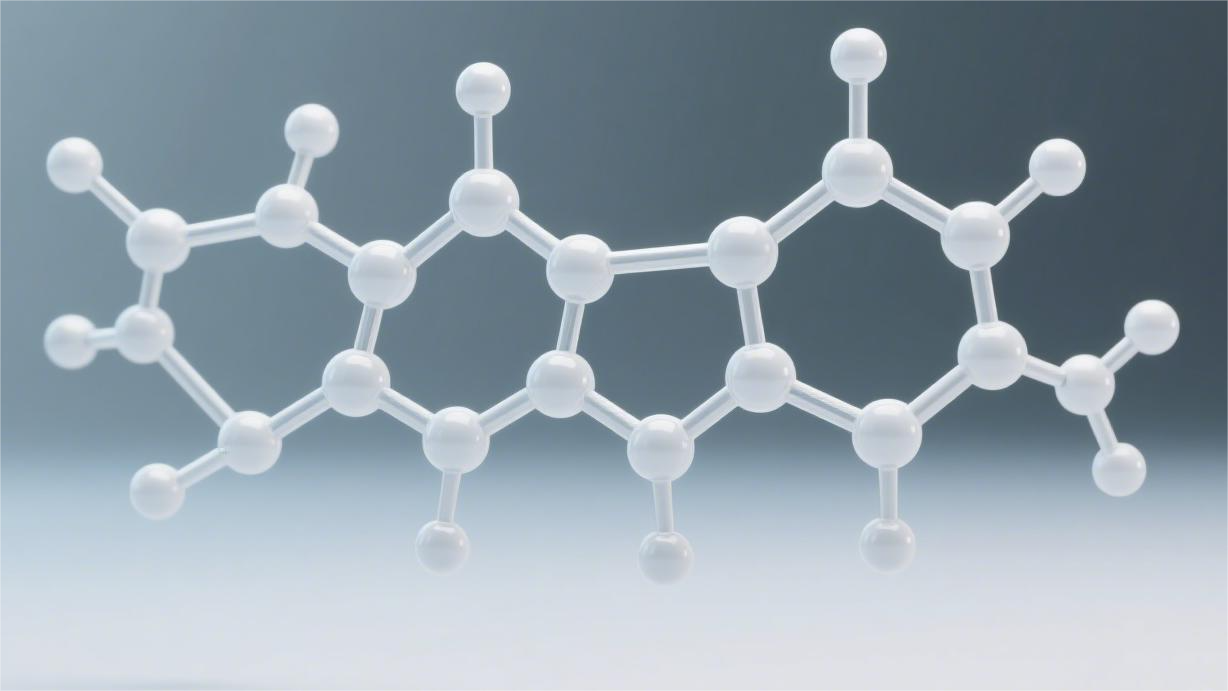
Acrylate Copolymers are polymers formed by the polymerization of two or more monomers, usually including acrylic acid, methacrylic acid, and their esters or salts. The synthesis process mainly involves free - radical polymerization reactions. As described in many polymer chemistry textbooks such as Fundamentals of Polymer Chemistry and Principles and Technology of Polymer Synthesis, monomers with reactive double bonds combine in the presence of initiators. The initiators break the double bonds, allowing the monomers to link together to form long - chain polymers. Sometimes, emulsifiers are added to ensure that the monomers are evenly dispersed during the reaction. Depending on the types and proportions of the monomers used, the resulting acrylate copolymers will have different molecular structures.
Product characteristics and advantages
2.1 Film - forming property
One of the most notable features of acrylate copolymers is their film - forming ability. A cosmetic ingredient review report released by the Cosmetic Ingredient Review (CIR) in 2019 conducted a comprehensive study on a large number of products containing acrylate copolymers, with concentrations ranging from as low as 0.00025% to as high as 98.6%, and confirmed its safety in reasonable formulations. When acrylate copolymer is applied to the skin or hair, it dries to form a flexible film. This film not only provides a soft and smooth post - use feel but also acts as a protective barrier. A comparative study on body washes published in the Journal of Skin Science and Cosmetic Research found that the addition of acrylate copolymer significantly reduced friction between the skin and clothing, effectively alleviating skin itching by reducing irritation (source: Paula's Choice, What is Acrylate Copolymer).
2.2 Water resistance
Acrylate Copolymers can endow formulations with water resistance or waterproof properties. This characteristic is of great significance in sunscreens. According to a study on sunscreen formulations published in the International Journal of Cosmetic Science, the addition of acrylate copolymer helps the sunscreen film remain intact when the skin comes into contact with water, ensuring continuous UV protection. This water resistance stems from the chemical structure of the copolymer, which can repel water molecules and prevent them from easily penetrating the film formed on the skin surface.
2.3 Thickening property
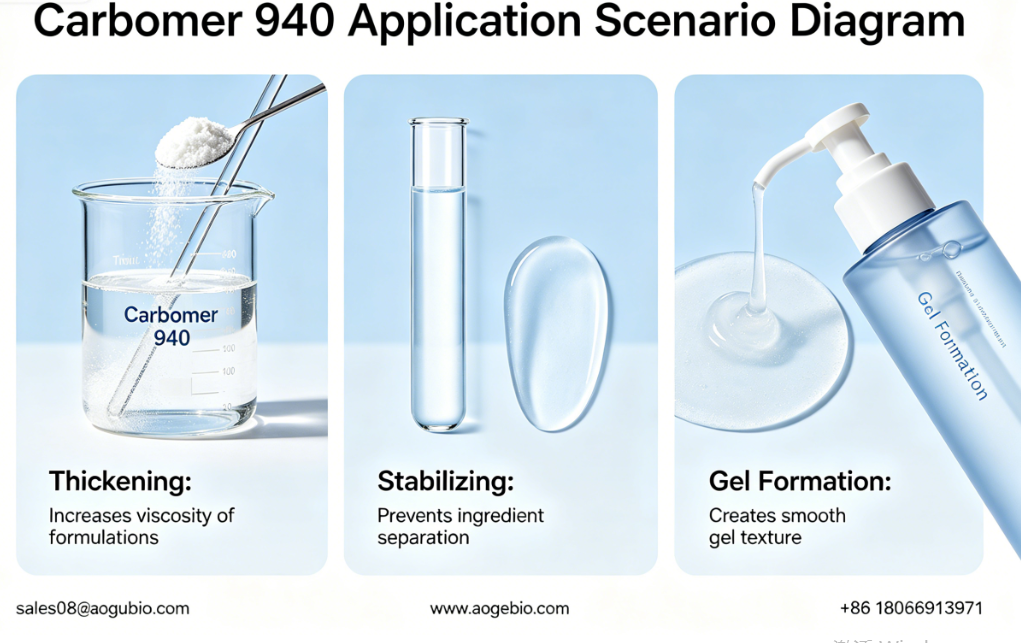
Depending on the formulation and dosage, acrylate copolymers can act as thickeners. In the cosmetics industry, thickeners have several important roles. They can improve the texture of products, making them more popular among consumers. For example, in shampoos and body lotions, an appropriate consistency brings a luxurious feel; in nail polishes, a certain consistency is necessary to ensure good coverage and applicability. In addition, thickeners help keep other ingredients in suspension, preventing precipitation over time. These conclusions are reflected in many professional books on cosmetic formulation design and industry seminar materials.
Applications in the cosmetics field
3.1 Skin care products
- Moisturizers and creams
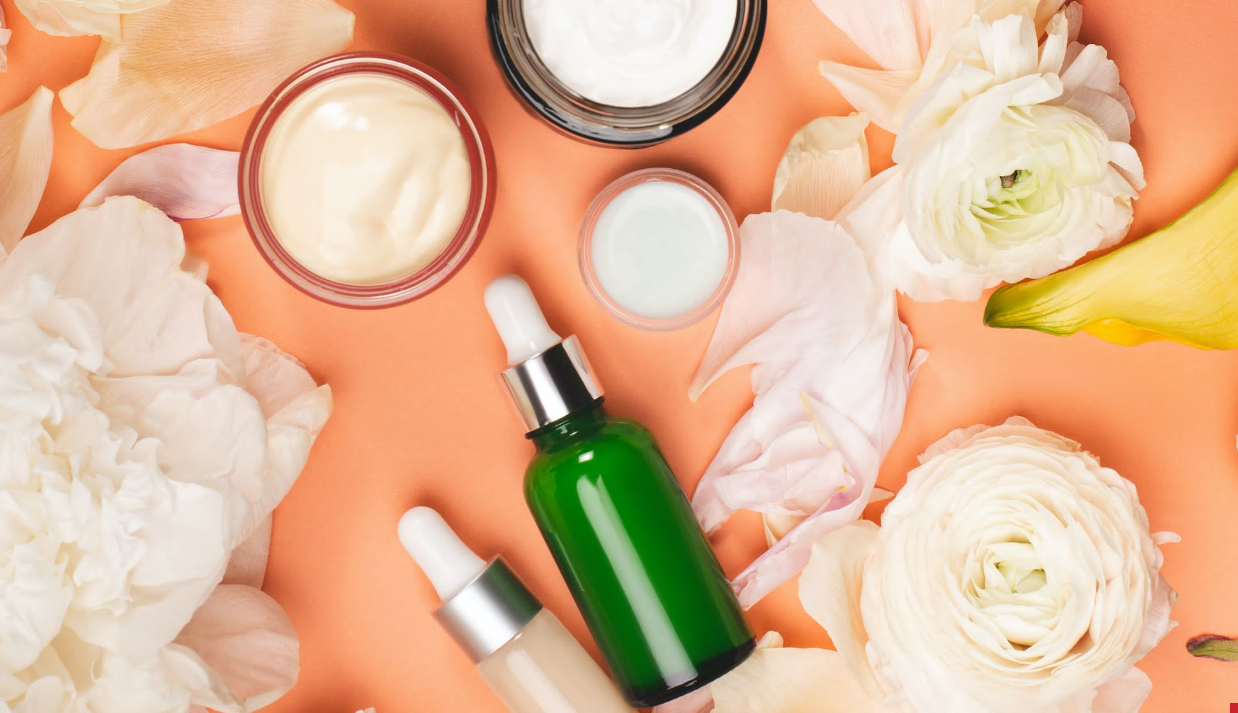
Many moisturizers and creams contain acrylate copolymers. It helps lock in moisture by forming a film on the skin surface, preventing water evaporation and keeping the skin hydrated. Some high - end creams even use acrylate copolymer as a key ingredient to enhance product performance and user experience. Relevant evidence can be found in the product research and development reports of well - known brands and related academic papers on the analysis of skin care product ingredients.
- Sunscreens
As mentioned earlier, the water resistance of acrylate copolymers makes them a valuable ingredient in sunscreens. They help the sunscreen formulation adhere to the skin, resist the washing of sweat or water, and ensure long - lasting protective effects. A study on sunscreen formulations published in the Academic Collection of Sunscreen Technology and Product Innovation found that the addition of acrylate copolymer improved the overall stability and effectiveness of the sunscreen, especially when in contact with water.
3.2 Hair care products
- Shampoos
In shampoos, acrylate copolymers can act as thickeners to improve the consistency of the product. They can also help smooth the hair shaft, making the hair easier to comb and reducing tangles. Some shampoos designed for damaged or curly hair use acrylate copolymers to enhance the hair care effect. This application is mentioned in professional literature on hair care product research and development and product promotional materials of related brands.
- Hair gels and styling products
Acrylate copolymers are used as film - forming agents in hair gels and other styling products. They form a flexible film around the hair strands to help fix the hairstyle. This film can provide a strong styling effect without making the hair look stiff or rough, creating a natural look. Relevant conclusions can be found in the technical exchange meeting materials of the hair care industry and professional hair care product evaluation reports.
3.3 Color cosmetics
- Mascaras, eyeshadows, and eyebrow pencils
Acrylate copolymers are often used in mascaras, eyeshadows, and eyebrow pencils. In mascaras, they help form a film around the eyelashes, making them look thicker and longer, and also provide water resistance to prevent smudging. In eyeshadows and eyebrow pencils, acrylate copolymers act as binders, making pigment particles stick together and adhere to the skin, ensuring better color rendering and longer - lasting makeup effects. This is elaborated in professional reports on the analysis of color cosmetic ingredients and related academic literature on the application of cosmetic raw materials.
- Lipsticks
In lipsticks, acrylate copolymers help improve the texture and durability of the product. They can form a smooth and delicate texture, making it easy to apply, and form a film on the lips to provide long - lasting color and prevent smudging or fading. This is reflected in the technical data of lipstick product research and development and product evaluation articles in the cosmetics industry.
Frequently asked questions
Q1:Is acrylate copolymer safe to use in cosmetics?
Yes, when formulated properly, acrylate copolymer is considered safe for use in cosmetics. As mentioned earlier, a cosmetic ingredient review report released by the Cosmetic Ingredient Review (CIR) in 2019 examined a large number of products with different concentrations of acrylate copolymers and found no safety issues under normal use conditions. However, like any ingredient, individual sensitivities may vary.
Q2:Can acrylate copolymer cause allergic reactions?
Although rare, some people may be allergic to acrylate copolymers. Allergic reactions may manifest as skin redness, itching, or swelling. According to relevant research cases published in the Contact Dermatitis medical journal and summaries of clinical experience in dermatology, such allergic symptoms may occur after using products containing acrylate copolymers. If these symptoms appear, please stop using the product and consult a dermatologist.
Q3: Is acrylate copolymer environmentally friendly?
The impact of acrylate copolymers on the environment is a complex issue. Although it is a synthetic polymer, efforts are being made to develop more sustainable production methods. In terms of biodegradability, acrylate copolymers are generally not easy to decompose in the environment. However, in cosmetics, their usage is small, and they are usually washed into wastewater treatment systems, which may alleviate some environmental concerns. Relevant environmental impact analyses can be found in research reports on synthetic polymers in the field of environmental science and seminar materials on sustainable development in the cosmetics industry.
In conclusion, acrylate copolymer is a versatile and important raw material in the cosmetics industry. Its unique properties, wide range of applications, and promising market prospects make it a key ingredient in current and future cosmetic formulations.
- Name: Yuik
- E-mail: sales02@nahanutri.com
- WhatsApp:+8618066950297